browse steam games
by what players pick
Not review scores. Not a store front page. 33,343 Steam games sorted by players putting their own libraries head to head, one duel at a time — then cut into leaderboards, tags, genres and release years you can walk through.
Every ranking on this site comes from the same question: this or that? A game's score is the share of a typical library it beats, so “beats 87%” means the players who duelled it place it above 87% of the games they own. Start with a leaderboard if you want the extremes, a tag if you know the flavour you're after, or a year if you're filling a gap in your backlog.
>> browse by tag what players actually call them · genres are just the boxes valve ships games in
Hunting the best roguelikes, the best co-op games, the best cozy games on Steam? Tags are the honest vocabulary: cozy, souls-like, bullet hell, walking simulator, one more turn. Every tag with enough duelled games gets its own ranking page, built the same way as the rest of the site — real libraries, one head-to-head vote at a time.




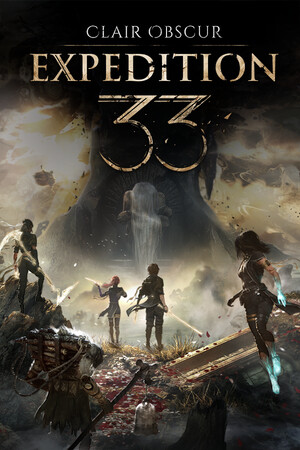
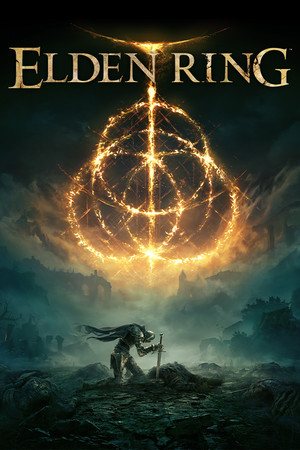

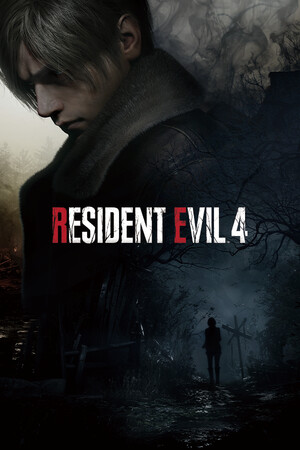
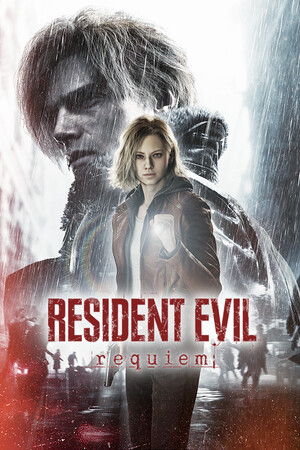


















>> browse by genre the broad strokes · valve's own shelves, re-sorted by taste
Genres are coarse, and that is the point: they are the fastest way to answer “what's the best RPG the crowd has actually played?” without knowing any tag vocabulary. Same rankings underneath, sliced by the genre Steam files each game under.



>> browse by year every vintage's favourites · mainstream schmainstream
Release-year rankings are how you find the game everyone was too busy to notice. Each year is ranked among its own class rather than against all of Steam, so a quiet 2016 indie can top its year without out-duelling ELDEN RING.







these lists are the tour.
powersearch is the map.
Maybe you don't want a name. Maybe you want a kind of game: co-op roguelikes from 2015–2020 that the crowd actually places high, minus the open-world ones. Stack tags, genres and year ranges, set a floor on how high players place it, and let the rankings filter instead of the store algorithm.
explore by tags & years>> off the boards just arrived, and barely discovered · the two ends the leaderboards never reach
A leaderboard is a popularity contest before it is a quality one, because a game needs a crowd behind it before it can rank at all. These two lists are what that leaves out: the games that only just walked in, and the ones a handful of people have ranked and every one of them liked.



🐔 king of the hill most boosts in the last 7 days
How boosting works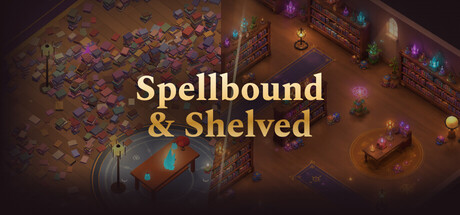
A wizard-academy library has vanished under its own books. Hire gnomes, unlock shelves, and let the tidying run itself — a cozy idle game about turning magical chaos into calm, one neatly filed spellbook at a time.
>> the leaderboards the extremes · four ways to be remembered
The blunt end of the dataset. Most loved and the hall of shame are the top and bottom of everyone's personal rankings; most controversial collects the games players violently disagree about; most duelled is simply what's been fought over this week. Each board has its own page with the full ranking and per-game breakdowns.
😍 most loved
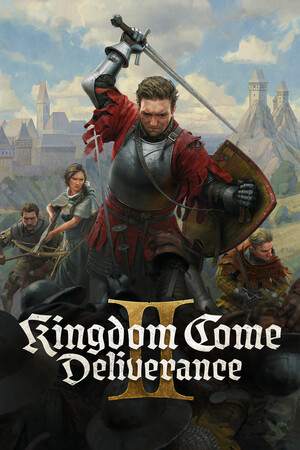
Kingdom Come: Deliverance II
beats 88%
3
Hollow Knight: Silksong
beats 88%
4
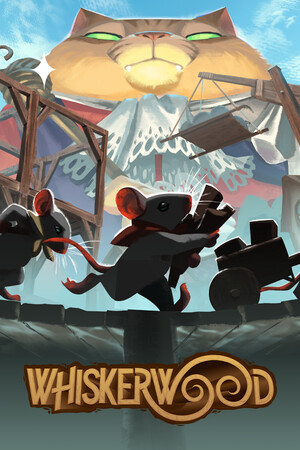
Whiskerwood
beats 93%
5
METAL GEAR SOLID 3: Snake Eater - Master Collection Version
beats 87%
[[ full most loved ranking ]]
🤮 hall of shame

 Invasion: Brain Craving
beats 5%
3
Invasion: Brain Craving
beats 5%
3
 CastleMiner Z
beats 5%
4
CastleMiner Z
beats 5%
4
 Supraball
beats 10%
5
Supraball
beats 10%
5
 UBERMOSH:BLACK
beats 7%
[[ the whole hall of shame ]]
UBERMOSH:BLACK
beats 7%
[[ the whole hall of shame ]]
🍿 most controversial

 Pathologic Classic HD
3 love · 4 hate
3
Pathologic Classic HD
3 love · 4 hate
3
 CivIdle
2 love · 4 hate
4
CivIdle
2 love · 4 hate
4
 Pixel Piracy
3 love · 3 hate
5
Pixel Piracy
3 love · 3 hate
5
 Wednesdays
2 love · 2 hate
[[ full most controversial ranking ]]
Wednesdays
2 love · 2 hate
[[ full most controversial ranking ]]
⚔️ most duelled
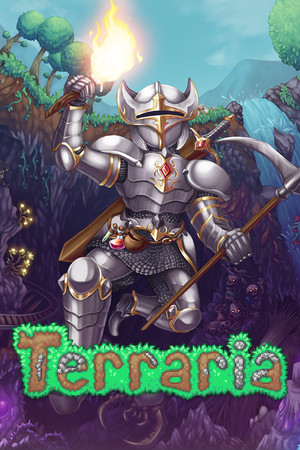 Terraria
157 players this week
3
Terraria
157 players this week
3
 Portal 2
141 players this week
4
Portal 2
141 players this week
4
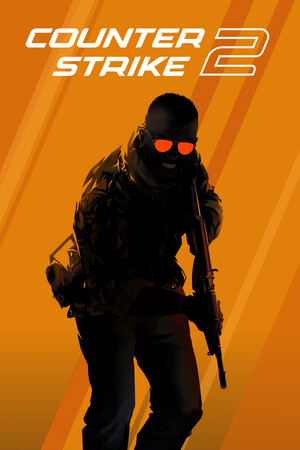 Counter-Strike 2
134 players this week
5
Counter-Strike 2
134 players this week
5
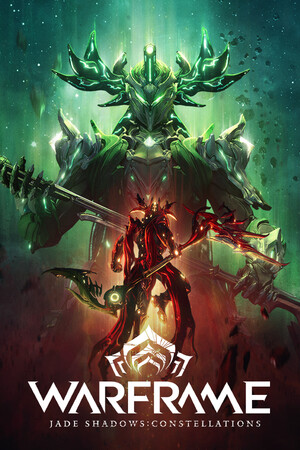 Warframe
126 players this week
[[ full most duelled ranking ]]
Warframe
126 players this week
[[ full most duelled ranking ]]
>> how every list on this page is built the long version, for the curious and the crawlers
01 · players duel
Sign in with Steam and we pull the games you have actually played, then show them two at a time: this or that? No stars, no essay, no 0–100 score to agonise over — one pick, a couple of seconds, next pair.
02 · libraries sort themselves
Those picks sort one personal library from favourite to regret. That ordering is the unit of data here, which is why a game can sit at “beats 92%” with 159 players behind it while a review aggregate says something else entirely.
03 · the crowd decides
Thousands of personal rankings, weighed by how many players stand behind each one, become the leaderboards, tag pages, genre pages and year pages linked above. More detail lives in the FAQ.
why not review scores?
A 92% rating tells you a game was worth its price to people who chose to buy it. It cannot tell you whether they would pick it over the other forty games in the same folder. Duels ask exactly that, and the answer reorders things: beloved mainstays slide, quiet favourites climb, and the games nobody defends when something else is on the table end up in the hall of shame.
what “beats 87%” means
It is a percentile, not a score. Among the players who duelled a game, it lands above 87% of the titles in their own libraries on average — weighted so that a game ranked by three people cannot leapfrog one ranked by three hundred. That is why small-audience games show a player count next to every number on this site.
tags vs genres
Steam genres are shipping categories; tags are what players call things. If you are looking for cozy, souls-like, bullet hell or one-more-turn, start with tags. If you want the broad shelf — the best RPG, the best strategy game — genres get you there in one click.
want your own tier list?
Duelling your own library takes a couple of minutes and gives you a personal ranking, plus recommendations weighted toward the games you place high. Free, no ad networks, nothing following you around the web. Sign in via Steam and start ranking, or keep browsing — every page here works without an account.